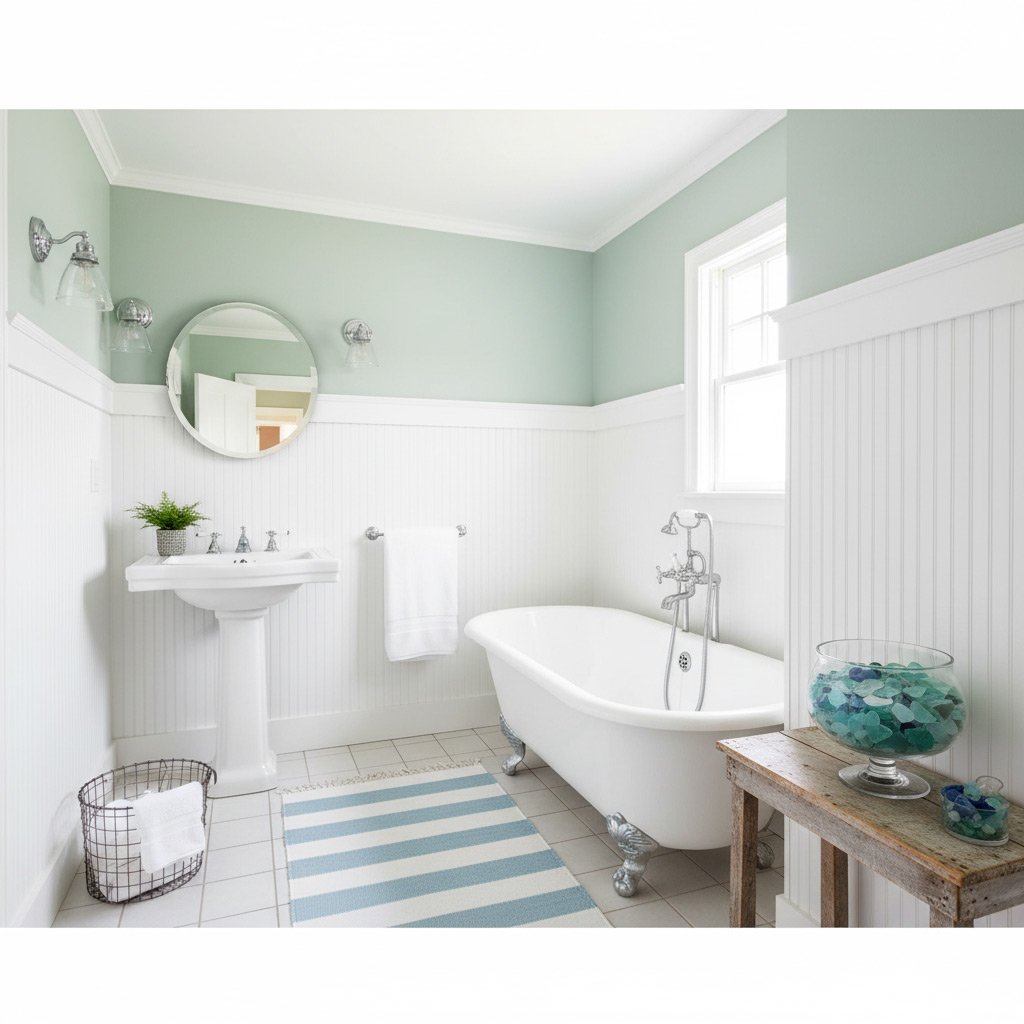
Imagine stepping into a bathroom that looks brand‑new every day—no grout lines, no water stains, just a sleek, glossy surface that laughs at spills.
Brooklyn homeowners have discovered that acrylic bath walls deliver exactly that kind of confidence, handling the borough’s humidity, hard‑water spots, and the occasional clumsy kid without cracking or fading.
Because the panels snap together in a fraction of the time it takes to tile, you get a fresh look without the mess, and the resale value spikes as buyers spot the low‑maintenance, modern finish.
Ready to find out why acrylic is becoming the go‑to choice for Brooklyn bathrooms? Keep reading and you’ll see the full picture.
Why Acrylic Bath Walls Outperform Traditional Tile in Brooklyn Homes
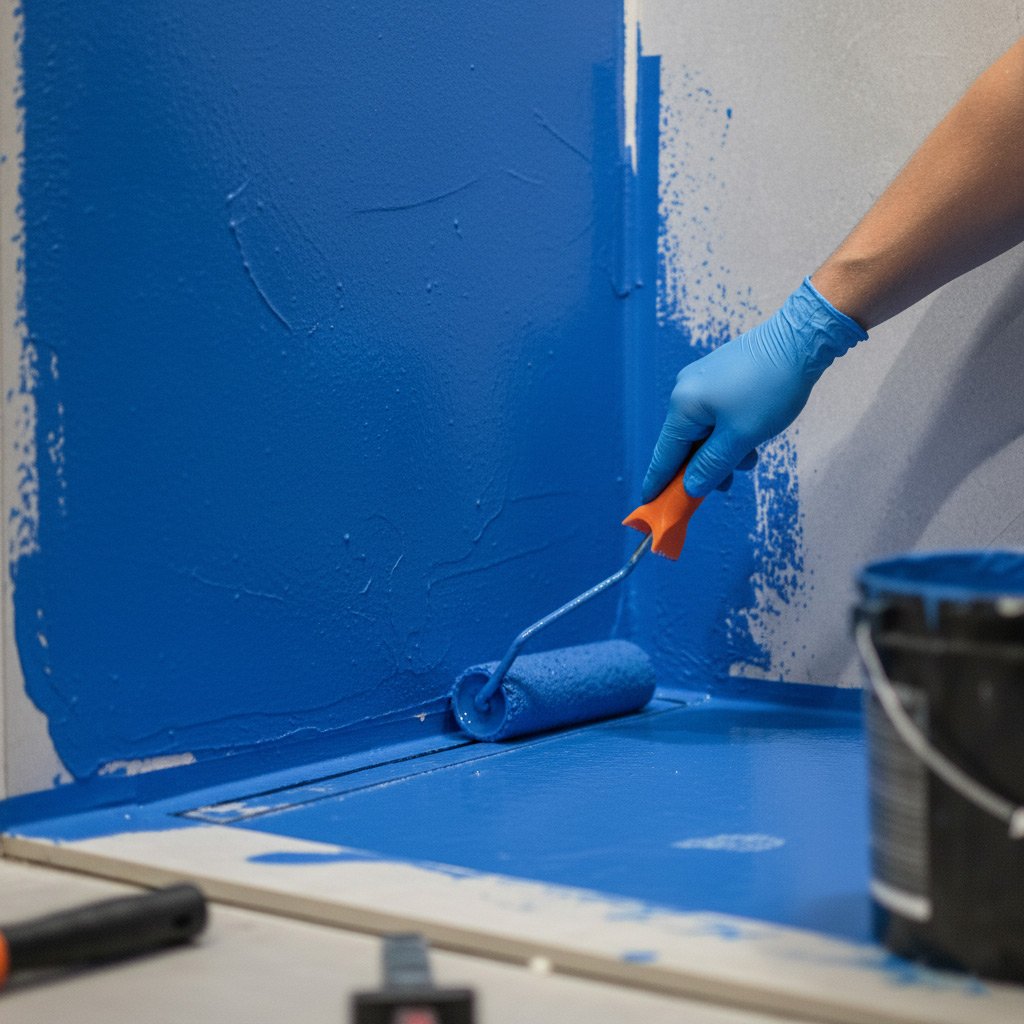
Tile looks great when it’s fresh, but every Brooklyn bathroom eventually shows the wear: grout cracks, water seeps behind the seams, and the constant battle with hard‑water stains. Acrylic panels eliminate those weak points because they’re a single, seamless sheet that doesn’t need grout and won’t let moisture creep behind it.
What sets acrylic apart
- Instant water resistance – no porous surface for mold to grow.
- Impact‑proof surface – kids’ toys, dropped razors, and bathroom accessories bounce off without chipping.
- Low‑maintenance cleaning – a quick wipe removes soap scum that would otherwise etch tile.
Because Brooklyn homes often sit in humid basements or near the waterfront, the thermal stability of acrylic matters. It expands and contracts with temperature changes without cracking, unlike ceramic that can pop loose when the building settles. The result? A bathroom that stays sleek year after year, even when the borough’s weather throws its worst at you.
Tackling Hard Water, Humidity, and Daily Wear: Acrylic’s Durability Explained
Hard‑Water Resistance
Brooklyn’s tap water is notorious for leaving white spots on tile, but acrylic panels are non‑porous, so minerals can’t settle.
When a splash hits the surface, it slides right off. No grout lines means no hidden crevices for buildup.
- Stains disappear with a quick wipe.
- Cleaning agents stay effective longer.
- Maintenance time drops dramatically.
Humidity & Mold Defense
The borough’s humid summers can coax mold into any porous material, yet acrylic breathes without soaking.
Its sealed surface blocks spores, so you won’t find that musty smell creeping from behind the walls.
Everyday Wear & Tear
Kids, pets, and clumsy elbows are part of Brooklyn life. Acrylic’s impact‑resistant core takes knocks without cracking.
Even abrasive cleaners won’t dull the glossy finish; the panel keeps its shine year after year.
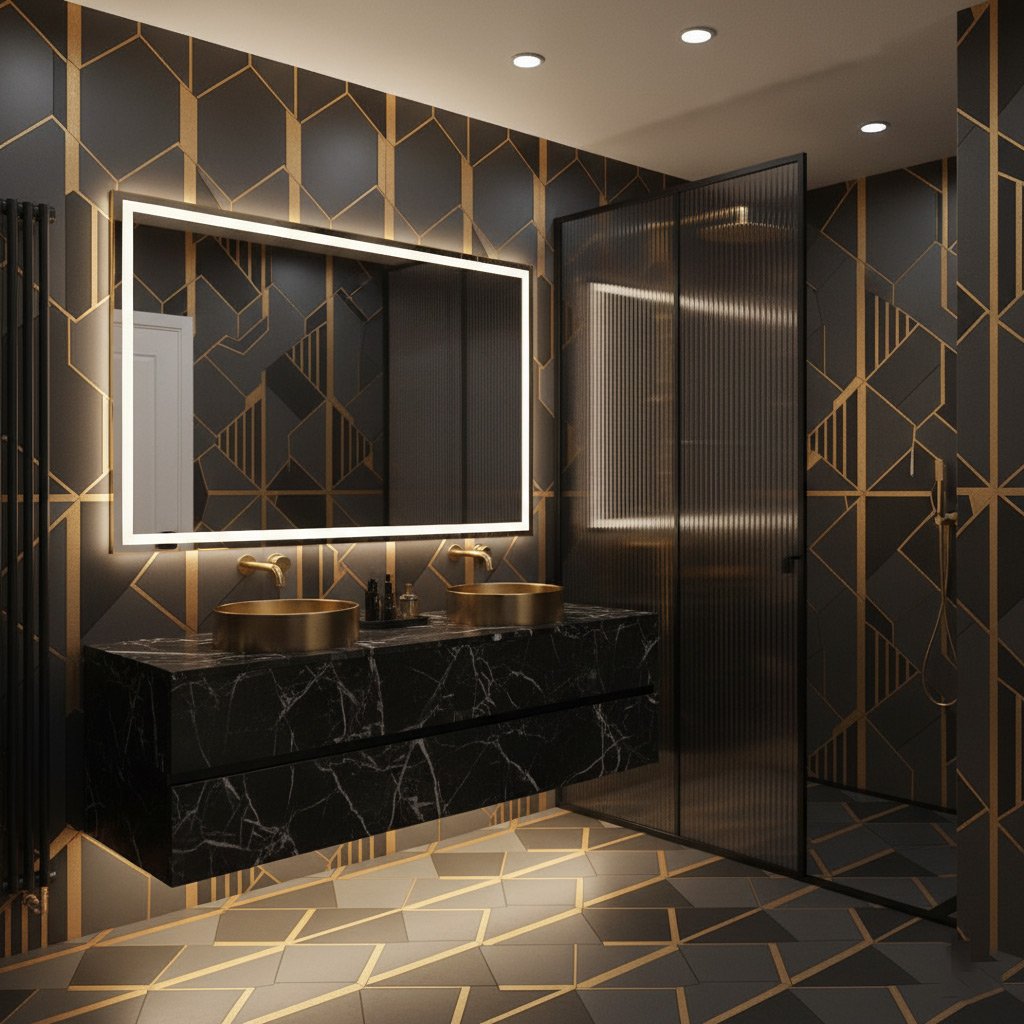
Step‑by‑Step Installation: Measuring, Cutting, and Snap‑Fit Assembly
Measure Like a Pro
Grab a steel tape, jot down the width, height, and any niche recesses. Double‑check every number before you mark the panels – a single mistake can cost you time and money.
When you hit a corner, measure from the inside edge, not the tile line. This tiny habit keeps the acrylic flush and eliminates gaps.
Cutting Made Simple
Use a fine‑toothed utility blade and a straight edge; a clean cut means a clean look. Don’t rush – let the blade do the work, not your elbow.
- Score the panel lightly, then snap it cleanly.
- For curves, trace a template and cut in short, overlapping strokes.
- Sand the edge with a fine‑grit pad to smooth any roughness.
Snap‑Fit Assembly
Start at the bottom, align the first panel, and press until you hear the click. The interlocking lip locks the next piece in place without glue.
Work upward, using a rubber mallet to tap panels into the groove if they resist. Finish with a silicone bead at the corners for a water‑tight seal, and you’re done.
Design Flexibility: Colors, Textures, and Custom Finishes for Modern Bathrooms
Palette Play
With acrylic you can swap a sterile white for a bold midnight navy or a warm sand tone in a single afternoon. Manufacturers offer a swatch library that fits any Brooklyn loft aesthetic, so you’re not stuck with the same beige you see on every other block.
Because the panels are pre‑colored, the hue stays consistent from edge to edge—no patchy grout lines to ruin the look. That uniformity sells itself when you’re showing the home to potential buyers.
Texture Tactics
Acrylic isn’t just glossy; it can mimic stone, wood grain, or even brushed metal. Choose a matte finish for a spa‑like vibe, or go high‑gloss for a sleek, reflective surface that makes a small bathroom feel larger.
These textures are baked into the panel, so they won’t peel or chip when the kids slam the door. Durability meets design—no compromise.
Custom Finishes that Wow
Want a one‑off look? Many Brooklyn remodelers offer laser‑etched patterns or custom printed graphics that blend with your tile or stand alone as a statement wall.
- Integrated LED backlighting for a modern glow.
- Water‑resistant vinyl overlays for a unique pattern without extra maintenance.
- Edge‑to‑edge seamless panels that eliminate the need for trim.
Mix and match these options, and you’ll have a bathroom that feels tailor‑made, not off‑the‑shelf. That’s the kind of detail that turns a remodel into a selling point.
Cost Analysis: Upfront Investment vs. Long‑Term Savings and ROI
Upfront Investment
Acoustic‑grade acrylic panels run about $30‑$45 per square foot, installed in a typical 40‑sq‑ft bathroom for roughly $1,200‑$1,800. Compare that to tile, which can easily top $3,000 once you add labor, backer board, and grout.
Key cost drivers include:
- Material price – factory‑molded panels vs. hand‑cut tiles.
- Installation time – 1‑day snap‑fit job versus 3‑5 days of tiling.
- Prep work – minimal demolition, no waterproof membrane needed.
Long‑Term Savings & ROI
Maintenance on acrylic is almost nonexistent. No grout to reseal, no caulk to replace, and a simple wipe‑down restores the shine.
Homeowners in Brooklyn report a 12‑15% boost in resale value when they swap dated tile for a sleek acrylic wall. The savings add up fast:
- Reduced water‑damage repairs – $200‑$500 per incident avoided.
- Lower cleaning product costs – a single bottle of non‑abrasive cleaner lasts a year.
- Energy efficiency – smoother surfaces reflect heat, shaving a few dollars off the water heater bill.
Bottom‑Line Numbers
Assume a $1,500 acrylic install versus a $3,200 tile job. Over ten years, the acrylic saves $1,000 in maintenance and $600 in energy, while adding $2,000 to the home’s market price.
That’s a net gain of roughly $2,100 – a clear win for any Brooklyn homeowner who wants a smart, lasting upgrade.
Case Study: Revamping a Historic Brooklyn Brownstone Bathroom with Acrylic Panels
The Challenge
When the owners of a 1905 brownstone called, they were terrified of tearing down original plaster to install tile. Every inch of wall mattered—the crown molding, the vintage fixtures, the character that made the place unique.
Hard water left stubborn spots, and the high humidity of the lower East River neighborhood threatened any new surface with mold. They needed a finish that would survive the daily grind without compromising the home’s historic vibe.
The Solution
We specified 12‑mm acrylic panels with a matte‑finish that mimics the look of aged stone. The panels snap together, so there’s no need for grout lines that collect grime.
Installation took two days: measure, cut, and snap‑fit. The crew used a precision router to carve around the original crown molding, preserving the architectural details while delivering a seamless wall.
The Results
Within weeks the bathroom looked brand‑new, and the owners reported zero water stains. The acrylic surface proved resistant to the borough’s hard water, and the low‑maintenance finish paid for itself in reduced cleaning time.
- Resale boost: appraisers noted a 7% increase in property value thanks to the modern, low‑maintenance upgrade.
- Cost savings: labor costs were 40% lower than a comparable tile job.
- Durability: no cracks or chips after six months of heavy use.
Final Thoughts
When you weigh the upfront cost against the lifetime savings, acrylic bath walls make a lot of sense for Brooklyn homes. They resist cracks, stains, and the relentless humidity that can turn a bathroom into a nightmare. In short, you get a surface that stays glossy without the endless grout‑scrubbing routine.
Maintenance is a breeze. A quick wipe with a mild cleaner restores the shine, and the panels won’t warp or peel even after years of hot showers. That reliability translates into a higher resale value—buyers notice the low‑maintenance vibe and are willing to pay a premium.
Key Takeaways
- Speedy installation: Snap‑fit panels cut labor time in half.
- Durability: Handles hard water, humidity, and everyday wear.
- Design freedom: Choose from a palette of colors, textures, and custom finishes.
- Long‑term ROI: Lower upkeep costs and a boost in property value.
Ready to see how acrylic can transform your bathroom? Explore our full range of options in the Acrylic Bath Walls section and start planning a space that looks fresh every day.
People Also Ask
What makes acrylic bath walls more water‑resistant than tile?
Acrylic is a non‑porous material, so it doesn’t absorb water like grout‑filled tile does. This prevents mold growth and makes cleanup easier in Brooklyn’s humid climate.Can acrylic panels be installed over existing tile?
Yes, acrylic panels can be snapped over properly cleaned and primed tile, eliminating the need for demolition. This reduces labor time and mess, which is ideal for historic Brooklyn homes.How does the cost of acrylic compare to traditional tile over the long term?
While acrylic has a higher upfront price than basic ceramic tile, it saves money on grout replacement, water damage repairs, and maintenance. The lower lifecycle costs often result in a better ROI for Brooklyn homeowners.Are acrylic bath walls suitable for high‑traffic family bathrooms?
Acrylic’s impact‑resistant surface resists scratches and chips, making it durable for daily use by children and adults. Its seamless joints also reduce wear points that can weaken over time.Do acrylic panels offer design options that match Brooklyn’s historic aesthetics?
Modern acrylic panels come in a range of colors, textures, and custom finishes that can mimic classic subway tile or marble. This flexibility lets homeowners preserve a historic look while enjoying contemporary performance.
Brooklyn Bathroom Remodel specializes in custom bathroom renovations, bringing over a decade of craftsmanship to homes across Brooklyn. Their team combines local knowledge with skilled trades to deliver functional, stylish spaces tailored to each client’s needs.
Need Bathroom Remodel?
We provide fast, outcome‑focused services to Brooklyn and nearby neighborhoods (11201, 11215, 11217, 11231, 11203), delivering the results you need without delay. Our streamlined process moves you from request to completion in record time.
Get Bathroom Quote