
You walk into a Brooklyn bathroom, the tub looks like a relic from the ’70s, and you think a cheap liner will fix it—think again.
Most homeowners hear “bathtub liner” and picture a quick, painless makeover, but the reality is a maze of hidden costs, shrink‑wrap failures, and contractors who overpromise and underdeliver.
In this post we’ll pull back the curtain on the true price tag, the lifespan you can actually expect, and the red flags that separate a solid install from a future nightmare.
Read on, and you’ll walk away with a checklist that forces any installer to prove they’re worth your hard‑earned dollars.

Why Bathtub Liners Aren’t the Quick Fix You Think
Most Brooklyn homeowners picture a bathtub liner as a cheap, slap‑on solution that turns a dated tub into a showroom piece overnight. The truth? A liner is a custom‑fit polymer shell that must be measured, molded, and installed with surgical precision. Miss one step and you’re looking at bubbling seams, water leaks, or a surface that peels after a few months.
What a Liner Actually Is
Think of a liner as a thin, fiberglass‑reinforced acrylic blanket. It slides over your existing tub, then cures to a hard, glossy finish. It’s not a “paint‑and‑go” job; it’s a full‑scale renovation hidden beneath a veneer.
- Measurement matters – Even a half‑inch error can cause gaps that collect grime.
- Surface prep is critical – Any old caulk, rust, or loose tiles must be removed, or the liner will bond poorly.
- Installation time – A reputable crew needs 2–3 days, not a single afternoon.
Hidden Costs You’ll Face
When the contractor hands you a lowball quote, they’re usually cutting corners on prep work or using a lower‑grade acrylic. That saves dollars now but costs you big later when the liner cracks or warps.
Typical extra expenses include:
- Repairing damaged sub‑structures before the liner can be applied.
- Replacing faulty plumbing that shows up during the teardown.
- Professional removal of old caulk and tile residue – a job that cheap installers often skip.
The Real Cost of a Bathtub Liner
Most Brooklyn homeowners see a price tag of $800 and think they’ve snagged a deal. The truth is, that number rarely includes prep work, removal fees, or the inevitable “gotchas” that pop up once the old tub is exposed.
What’s Really in the Bottom Line?
- Demo & disposal: Stripping out a 1970s tub can cost $200‑$400, especially if asbestos or lead paint is involved.
- Surface prep: Cracks, rust, and old caulk must be repaired before the liner adheres, adding $150‑$300.
- Custom fitting: A one‑size‑fits‑all liner rarely works in a Brooklyn bathroom with odd angles; expect a $250‑$500 premium for a true custom cut.
Then there’s the “installation warranty” that many contractors tout. A cheap liner might come with a 1‑year guarantee, but reputable installers back their work for 5‑10 years—at a price that reflects confidence.
Hidden Fees That Sneak Up on You
- Permits (if required) – $50‑$150.
- Extra plumbing adjustments – $100‑$250.
- Travel surcharge for Brooklyn neighborhoods with limited access – $75‑$125.
When you add up every line item, a realistic budget for a quality bathtub liner in Brooklyn lands between $2,500 and $4,500. Anything lower should raise a red flag, because you’ll likely pay later in repairs or a full replacement.
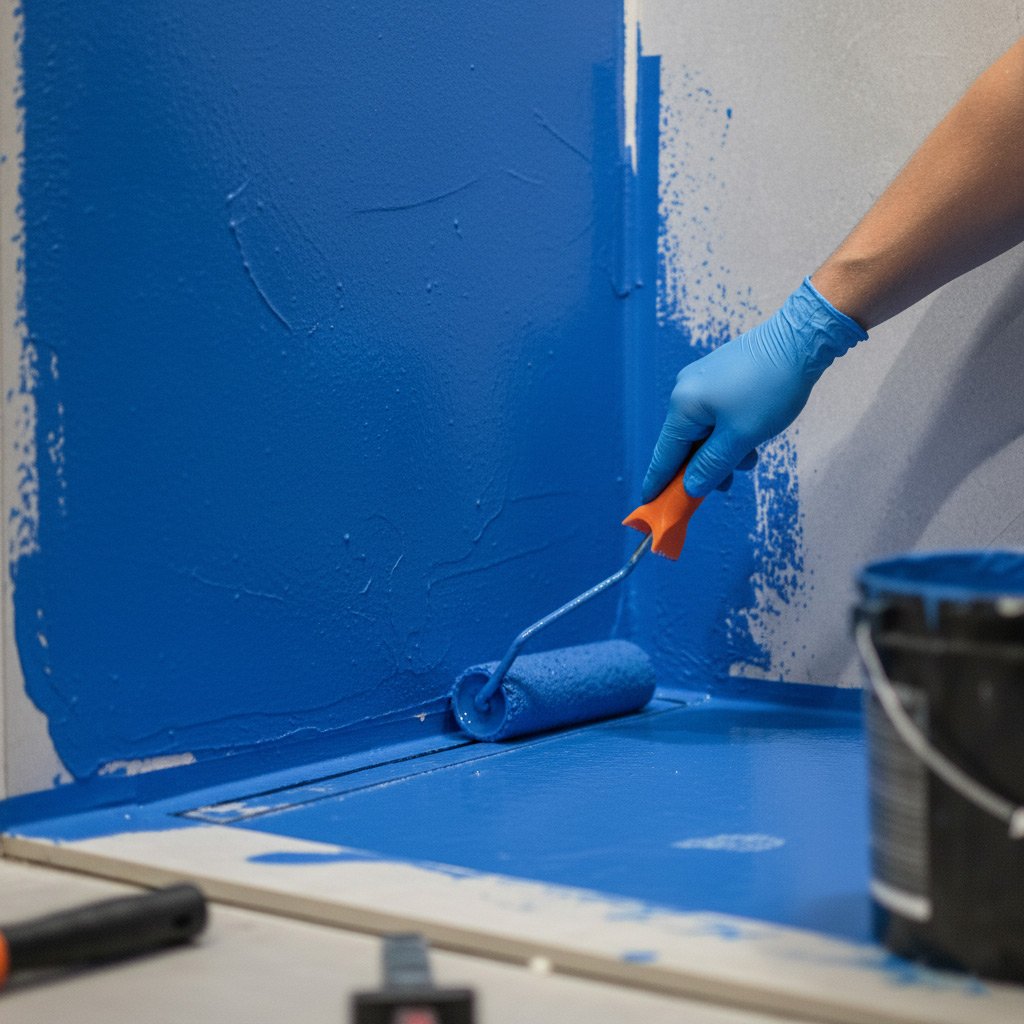
The Real Cost Breakdown of a Bathtub Liner
What’s Not on the Quote
Most contractors will hand you a clean number for the liner itself, but the prep work can eat up 30‑40% of that price. They’ll need to strip old caulk, repair cracks, and sometimes replace the tub’s plumbing flange before the liner even touches the surface.
Don’t be surprised when the final bill includes line items like:
- Surface cleaning and sanding – $200‑$400
- Crack filling and structural reinforcement – $150‑$350
- Plumbing adjustments (if the drain isn’t level) – $100‑$250
Installation Realities
A cheap “shrink‑wrap” liner may look fine for a few months, then start bubbling at the seams. Quality acrylic or PVC liners installed by a certified pro typically last 10‑15 years, but that durability comes with a higher upfront cost.
Ask for a written warranty that covers:
- Material defects – at least 5 years
- Installation workmanship – minimum 2 years
- Full replacement if the liner fails early – clearly defined terms
Red Flags That Reveal a Shoddy Bathtub Liner Install
1. The “All‑Inclusive” Quote That Looks Too Good
When a contractor hands you a single price that covers removal, prep, liner, and cleanup, pause. Hidden fees—like extra adhesive, unexpected repairs, or a “premium” finish—often surface later. Ask for a line‑item breakdown and watch for vague terms like “miscellaneous costs.”
2. Skipping the Surface Prep
A quality liner needs a perfectly clean, level base. If the installer says they’ll “just slap it on,” you’re headed for bubbles or cracks. Look for these tell‑tale signs:
- No mention of sanding or crack‑filling.
- Skipping a moisture test on the old tub.
- Using cheap, fast‑dry adhesives instead of industry‑grade epoxy.
3. Unlicensed or Uninsured Installers
In Brooklyn, a reputable bathtub liner specialist should have a valid contractor’s license and liability insurance. If they can’t produce paperwork on the spot, that’s a red flag louder than any sales pitch.
4. Lack of Warranty Details
Legitimate liners come with a written warranty that covers both material and workmanship. If the installer offers a “lifetime guarantee” verbally but refuses to show a contract, walk away. A solid warranty will specify:
- Duration (typically 10‑15 years for the liner itself).
- What’s covered—cracking, peeling, adhesive failure.
- Who’s responsible for repairs—manufacturer or installer.

Hidden Costs That Sneak Up On You
Most Brooklyn homeowners think the price they see on a quote is the final bill. That’s a dangerous assumption. Once the installer steps onto the job site, a cascade of extra charges can appear faster than a subway rush hour.
Prep work you didn’t ask for
Before the liner ever touches the tub, the crew often discovers:
- Cracked or rotted sub‑floor that needs replacement.
- Outdated plumbing that must be re‑routed to fit the new liner’s drain.
- Water damage hidden behind tile that requires remediation.
Each of these items can add $500‑$2,000 to the project, and many contractors will only mention them after the initial measurement.
Warranty loopholes and “maintenance” fees
Don’t be fooled by a glossy 10‑year warranty. Read the fine print. Most warranties void if you:
- Use harsh cleaners that aren’t “liner‑approved.”
- Attempt DIY repairs or let a non‑certified plumber touch the plumbing.
- Skip the mandatory annual inspection that some installers charge as a “service fee.”
Those inspection fees can be $150‑$300 a year, turning a “set‑and‑forget” purchase into a recurring expense.
Maintenance & Longevity: Keep Your Liner From Turning Into a Money Pit
Even the toughest acrylic or PVC liner will crack if you treat it like a disposable rug. Gentle cleaning and a quick visual scan each week can add years to its life, and it costs less than a surprise leak.
Daily habits that matter
- Wipe down the surface with a soft cloth and a non‑abrasive cleaner after each use.
- Avoid harsh chemicals; bleach and ammonia can eat away at the finish.
- Keep the tub dry when not in use to prevent mold from setting in the seams.
These three steps take less than a minute, but they stop the most common cause of premature failure—water seeping into the edges and expanding.
Seasonal checks
- Inspect the corners for any bubbling or lifting before the winter freeze.
- Run a finger along the seams; a smooth feel means the adhesive is still holding.
- Check the caulking around the faucet and overflow; replace any cracked sections.
Doing this twice a year catches problems before they become expensive repairs. It’s the kind of habit that makes a homeowner look like a pro.
When to call a pro
If you notice a persistent odor, water pooling under the liner, or any visible cracks, don’t wait. A licensed installer can reseal or replace the liner before the damage spreads to the underlying tub, saving you from a full‑scale demolition later.
7. The Fine Print: Warranties, Maintenance, and Hidden Costs
Before you sign on the dotted line, demand a written warranty that actually means something. A five‑year, transferable guarantee is the sweet spot—anything less is a red flag, and anything “lifetime” without clear terms is a sales gimmick.
What a solid warranty should cover
- Peel‑back or bubbling of the liner.
- Cracks caused by improper installation.
- Manufacturer defects in the acrylic or PVC material.
Ask the installer to spell out who pays for labor if a claim is filed. Some companies will only cover the material, leaving you with a hefty bill for the fix.
Maintenance you can’t ignore
Even the toughest liner needs a little TLC. Use a non‑abrasive cleaner, avoid harsh chemicals, and wipe down the surface after each shower. Skipping this step can void the warranty faster than you can say “budget remodel.”
Schedule a Bathtub Liners inspection every 2‑3 years. A quick check catches loose seams or water intrusion before they become a costly nightmare.
People Also Ask
What are the main advantages of bathtub liners over a full tub replacement?
Bathtub liners are typically installed in a single day, saving time and labor costs. They provide a waterproof barrier that can extend the life of an existing tub without the mess of demolition.How long do bathtub liners usually last in Brooklyn’s climate?
High‑quality acrylic or PVC liners can last 10–15 years when properly maintained. Extreme temperature fluctuations and hard water can shorten that lifespan if the liner isn’t sealed correctly.Can a bathtub liner be customized to match my bathroom’s style?
Yes, most manufacturers offer a range of colors, textures, and patterns, including marble‑look finishes. Some companies also provide custom designs to match tile or décor themes.Will a bathtub liner affect the size or shape of my tub?
A liner adds about 1/8 to 1/4 inch of thickness, which may slightly reduce the interior space. However, the change is usually negligible and does not alter the overall shape.Are there any hidden costs I should watch out for when installing a bathtub liner?
Potential hidden costs include removal of old caulk, repairing damaged subfloor, or addressing mold before installation. Always request a detailed quote that lists all prep work and warranty terms.
Brooklyn Bathroom Remodel specializes in comprehensive bathroom renovations, bringing over a decade of craftsmanship to homes across Brooklyn. Their team combines local knowledge with skilled trades to deliver functional, stylish spaces tailored to each client’s needs.
Need Bathroom Remodel?
We provide fast, outcome‑focused services to Brooklyn and nearby neighborhoods (11201, 11215, 11217, 11231, 11203), delivering the results you need without delay. Our streamlined process moves you from request to completion in record time.
Get Bathroom Quote