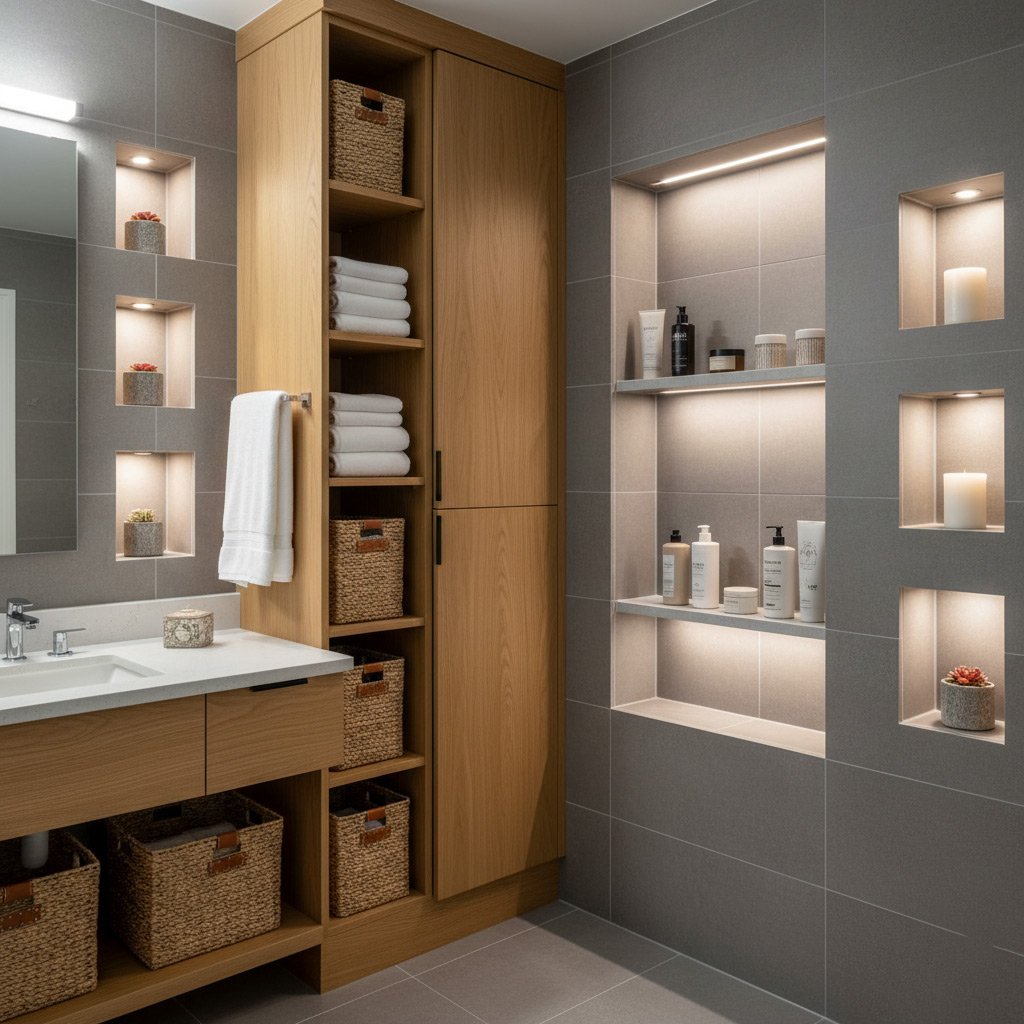
Picture this: you pull the curtain back and the bathtub is gone, replaced by a sleek, walk‑in shower that feels like it was plucked straight from a boutique hotel.
Most Brooklyn homeowners think they need a full gut‑rebuild to pull off that magic, but there’s a little‑known shortcut that lets you keep the floor plan, the budget, and the charm—while still getting that spa‑level upgrade.
Ready to discover the secret that contractors in Greenpoint swear by? Keep reading and you’ll see exactly how to turn your tub into a shower without the usual nightmare.
Understanding the Core Concept: The “Shower Kit” Shortcut
What a Shower Kit Actually Is
A shower kit is a pre‑engineered package that bundles a waterproof pan, wall panels, and all the plumbing fittings you need to turn a tub into a walk‑in shower in a single day. Think of it as a LEGO set for adults—you snap the pieces together, seal the seams, and you’re done.
Why It Beats a Full‑Gut Remodel
Because the kit is designed to fit standard tub footprints, you keep the existing floor joists, tile, and even the vanity in place. That means no demolition of walls, no re‑routing of main drains, and a dramatically lower labor bill.
- Factory‑tested waterproofing eliminates guesswork.
- All‑in‑one hardware cuts down on multiple supplier trips.
- Installation time drops from weeks to a single weekend.
The Secret Sauce Contractors Use
Most Brooklyn pros swear by the “shower kit shortcut” because it lets them deliver a spa‑like upgrade without the usual headaches. When you pair a quality kit with a skilled installer, the result feels custom‑built, even though it’s off‑the‑shelf.
Assessing Your Existing Tub and Space for Compatibility
Measure the footprint first
Grab a tape measure and jot down the length, width, and depth of your tub. Those numbers are the foundation of any conversion plan, and they’ll tell you whether a prefabricated shower kit will fit without a full demolition.
Don’t forget the clearance around the tub. You need at least 24‑inches of open space on three sides for a comfortable walk‑in shower. Mark those spots on the floor before you call a contractor.
Check the drain and plumbing layout
The location of the drain is a make‑or‑break factor. If it sits in the center, most kits will line up perfectly; if it’s off‑center, you may need a custom adapter.
Look at the waste pipe angle. A 45‑degree turn is easy to work with; a sharp 90‑degree bend could add $500‑$800 to the bill. Ask your plumber to confirm the slope before you order the shower pan.
Structural and wall considerations
Older Brooklyn homes often have plaster walls that hide wooden studs. Use a stud finder to verify you have solid framing behind the tub.
If the walls are tiled, you’ll need to decide whether to keep them or replace them with the kit’s wall panels. Here’s a quick checklist:
- Are the studs spaced 16″ or 24″ apart?
- Is there any water damage behind the tub?
- Do you have enough headroom for a glass door?
Selecting the Right Prefabricated Shower Pan and Walls
Material Matters
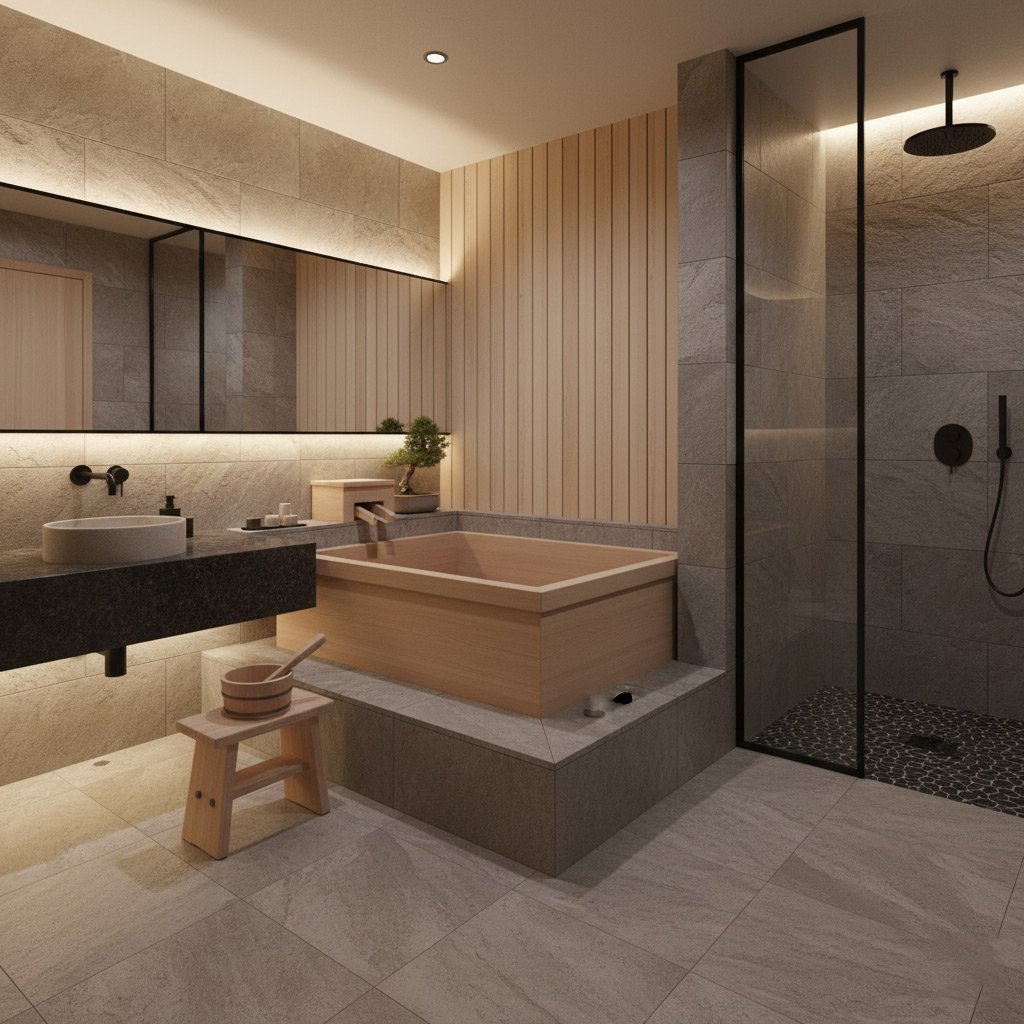
When you pick a prefabricated pan, think acrylic for a lightweight feel or cast iron if you crave rock‑solid durability. Acrylic snaps into place fast, while cast iron holds heat longer—perfect for those chilly Brooklyn mornings.
Don’t let the glossy finish fool you; a high‑gloss surface can hide scratches, but a matte texture hides water spots better. Choose the look that matches your bathroom vibe and your maintenance style.
Fit First, Fancy Later
Measure twice, order once. Your existing tub’s footprint dictates the pan size, so grab a tape and note length, width, and depth. A snug fit means fewer shims, less labor, and a cleaner line where the wall meets the floor.
- Standard 60‑inch tubs → 60‑inch pans
- Odd shapes? Look for “custom cut” options from local suppliers.
- Check the drain location—centered vs. offset can change wall panel placement.
Wall Panels: Style Meets Function
Prefab wall kits come in three flavors: fiberglass, acrylic, and tile‑ready. Fiberglass is cheap and quick, acrylic offers a sleek sheen, and tile‑ready gives you the freedom to go full‑on designer without the full‑blown tiling job.
Pick a panel system with a built‑in waterproof membrane; it’s the safety net that keeps leaks from sneaking into your subfloor. And remember, a simple snap‑together system can shave days off the timeline—something every Brooklyn homeowner appreciates.
Step‑by‑Step Installation Process (Demolition to Finish)
Ready to roll up your sleeves? The trick is to treat the conversion like a puzzle, not a demolition derby. Follow each move, and you’ll keep the mess down and the timeline short.
Demolition – Clear the Deck
First, turn off the water and disconnect the faucet. Remove the tub surround with a reciprocating saw or a pry bar—work slowly to avoid cracking the surrounding walls. Once the tub is out, scrape away old mortar and any lingering caulk; a clean slab makes the next steps painless.
Installing the Shower Kit – The Core Build
Lay down a polyethylene vapor barrier to keep moisture at bay. Then set the prefabricated shower pan, making sure it sits level—use a level and shims if needed. Secure the pan with the supplied screws, then attach the wall panels, sealing each joint with silicone.
- Mark the drain location, cut the floor opening, and drop the new drain assembly.
- Fit the pre‑hung shower door or curtain rod before the walls go up.
- Run new supply lines to the valve; keep the pipe length short to reduce heat loss.
Finishing Touches – Make It Shine
Apply a bead of silicone where the pan meets the wall panels—no gaps, no leaks. Install the faucet, test for water pressure, and wipe away any excess sealant. Finally, add a non‑slip mat or tile the floor edge for a polished, boutique‑hotel feel.
Budget Breakdown & Cost‑Saving Tips Specific to Brooklyn
First, know where the money goes. A typical tub‑to‑shower swap in Brooklyn runs between $4,500 and $9,000. The biggest line items are the prefabricated shower kit, plumbing adjustments, and labor.
Where Your Dollars Land
- Shower kit (pan & walls): $1,200‑$2,500 – choose acrylic for cheap, stone‑look for wow.
- Plumbing reroute: $800‑$1,500 – depends on how far the drain sits from the wall.
- Demo & disposal: $300‑$600 – a crew can pull the tub in a day.
- Finishing touches: $500‑$1,200 – tile trim, glass door, fixtures.
- Permits & inspections: $150‑$300 – Brooklyn requires a minor plumbing permit.
Now, cut the fat. Brooklyn’s tight streets mean delivery fees can balloon. Order the kit from a local supplier who can drop it off on a weekday. You’ll shave $150‑$300 off the price.
Smart Savings Hacks
- Reuse the existing bathtub flange as a base for the new pan – saves $100‑$200.
- Buy fixtures from a wholesale outlet in Bushwick – 20% off retail.
- Do the demolition yourself. A reciprocating saw and a few friends can handle the tub removal for under $100.
- Schedule the job during the off‑season (January‑February). Contractors often lower rates by 10‑15%.
Finally, think financing. Many Brooklyn banks offer a 0% intro APR on home‑improvement loans. Pair that with a modest credit‑card
Real‑World Success: Greenpoint Case Study of a Seamless Conversion
When the Martinez family called us, their 1970s claw‑foot tub was the only thing standing between them and a modern shower. They lived in a 900‑sq‑ft walk‑up on Manhattan Ave, so tearing down walls wasn’t an option. We showed them a shortcut that kept the layout intact and saved them over $4,000.
The Challenge
The existing tub sat on a concrete slab with a low‑profile drain, and the surrounding tile was cracked from years of water exposure. The space measured just 32″ × 60″, leaving little wiggle room for a full‑size shower enclosure. They needed a solution that fit the footprint, met NYC plumbing codes, and didn’t require a full demolition.
The Solution & Results
We installed a prefabricated, low‑profile shower pan that sat flush with the existing slab, then snapped on acrylic wall panels that lock into the pan’s lip. The whole conversion went from demolition to finish in 5 days. Highlights:
- Zero structural work: No joist removal, no re‑framing.
- Code‑compliant: New waterproof membrane and drain met NYC plumbing standards.
- Cost savings: Materials $2,200; labor $1,800 – a 30% reduction versus a full remodel.
- Instant upgrade: The Martinez family now enjoys a spa‑like shower with a built‑in bench and rain‑head fixture.
Final Thoughts
When you walk into a bathroom that once housed a tub and now boasts a walk‑in shower, the change feels instant. It’s not magic—it’s the Shower Kit shortcut doing its work. Keep the layout you love, dodge a full demolition, and still land a spa‑like vibe.
Quick Checklist Before You Call a Pro
- Measure twice – confirm the tub’s footprint matches the prefabricated pan.
- Check the floor’s slope; a 1‑2% grade is enough for drainage.
- Verify the existing plumbing can handle a new valve without a major reroute.
- Pick a wall system that matches your style – glass, tile‑ready, or acrylic.
Remember, a solid conversion starts with a clear plan and the right kit. If you’re still on the fence, explore more ideas in our Tub to Shower Conversions hub. A few smart choices now will save you time, money, and headaches later.
People Also Ask
What is a “shower kit” and how does it simplify tub‑to‑shower conversions in Brooklyn?
A shower kit is a prefabricated set that includes a shower pan, wall panels, and necessary hardware, designed to fit standard bathtub footprints. It eliminates custom tiling and framing, cutting installation time by up to 50% and reducing labor costs in Brooklyn’s tight spaces.Can I use a shower kit with my existing bathtub plumbing without major modifications?
Most shower kits are engineered to connect directly to the existing drain and water supply, requiring only minor adjustments to the faucet and showerhead. In most Brooklyn homes, the plumbing layout aligns with standard tub dimensions, making the swap straightforward.How do I determine if my bathroom’s dimensions are compatible with a prefabricated shower pan?
Measure the length, width, and depth of your current tub and compare them to the kit’s specifications, allowing a ½‑inch clearance for walls. If the space meets the kit’s minimum clearance, the conversion will fit without structural changes.What are the typical cost savings when choosing a prefabricated shower kit over a custom tile shower in Brooklyn?
Prefabricated kits can reduce material costs by 30‑40% and labor expenses by up to 50% compared to custom tile work. Homeowners often save $2,000‑$4,000 on average, while still achieving a high‑quality, waterproof finish.Is a DIY tub‑to‑shower conversion with a shower kit feasible for a Brooklyn homeowner?
Yes, if you have basic carpentry skills and can handle demolition, plumbing adjustments, and waterproofing. Many Brooklyn DIYers complete the project in 2‑3 days, but hiring a licensed plumber for final connections ensures code compliance.
Brooklyn Bathroom Remodel specializes in comprehensive bathroom renovations, bringing over a decade of craftsmanship to each project. Based in Brooklyn, the team combines local knowledge with a commitment to quality finishes and functional design. Homeowners trust them to transform spaces that reflect the neighborhood’s character.
Need Bathroom Remodel?
We provide fast, outcome‑focused services to Brooklyn and nearby neighborhoods (11201, 11215, 11217, 11231, 11203), delivering the results you need without delay. Our streamlined process moves you from request to completion in record time.
Get Bathroom Quote